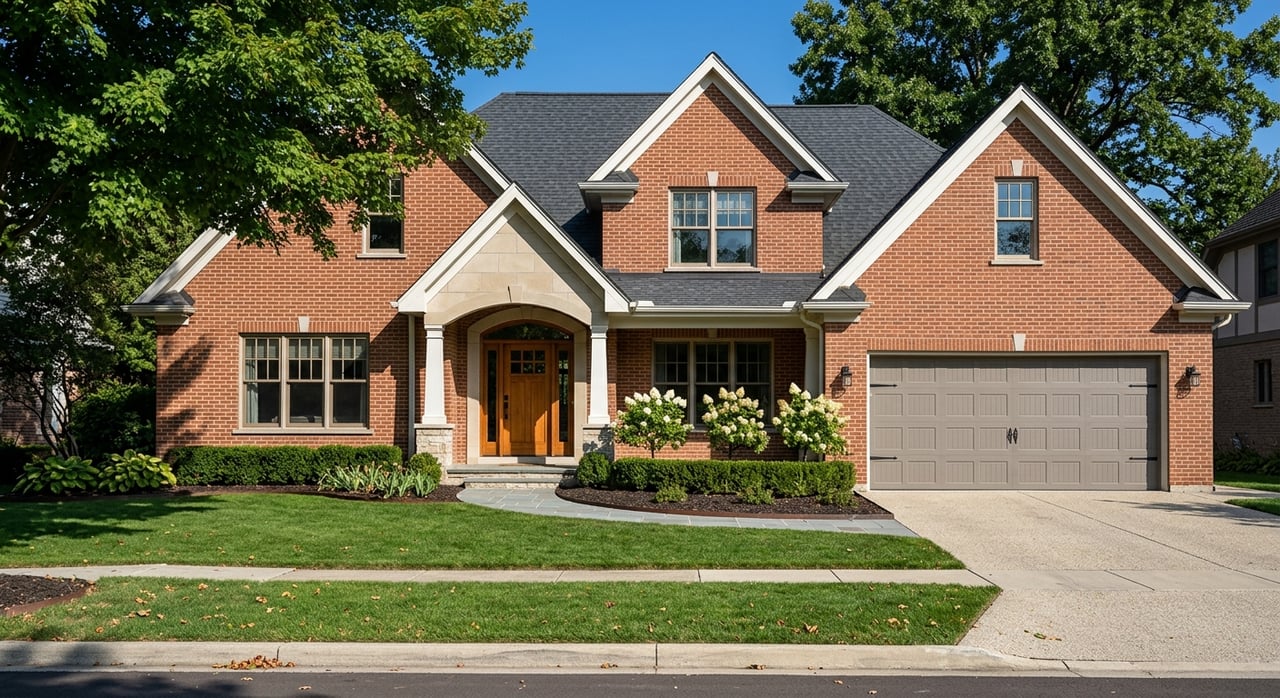
If you want a place where historic homes, a walkable village center, and everyday convenience actually come together, Barrington stands out. You are not just choosing a house here. You are choosing a setting shaped by architecture, rail access, local events, and a downtown that feels active through the week and on weekends. If you are curious about what makes Barrington’s historic homes and village lifestyle so appealing, this guide will help you picture daily life more clearly. Let’s dive in.
Barrington’s Historic Roots
Barrington’s identity is closely tied to its early development as a 19th-century settlement that grew from farming into a rail-oriented village center. The village says it was settled in the 1830s, incorporated in 1865, and later platted along the Chicago & North Western Railway. Today, that history still shows up in the way the downtown is laid out and how the residential streets connect back to the core.
That historical pattern matters when you are home shopping. In Barrington, the past is not tucked away in one preserved block. It is part of the village’s overall look and feel, from civic landmarks to older homes that still shape the character of the central area.
Historic Homes in Barrington
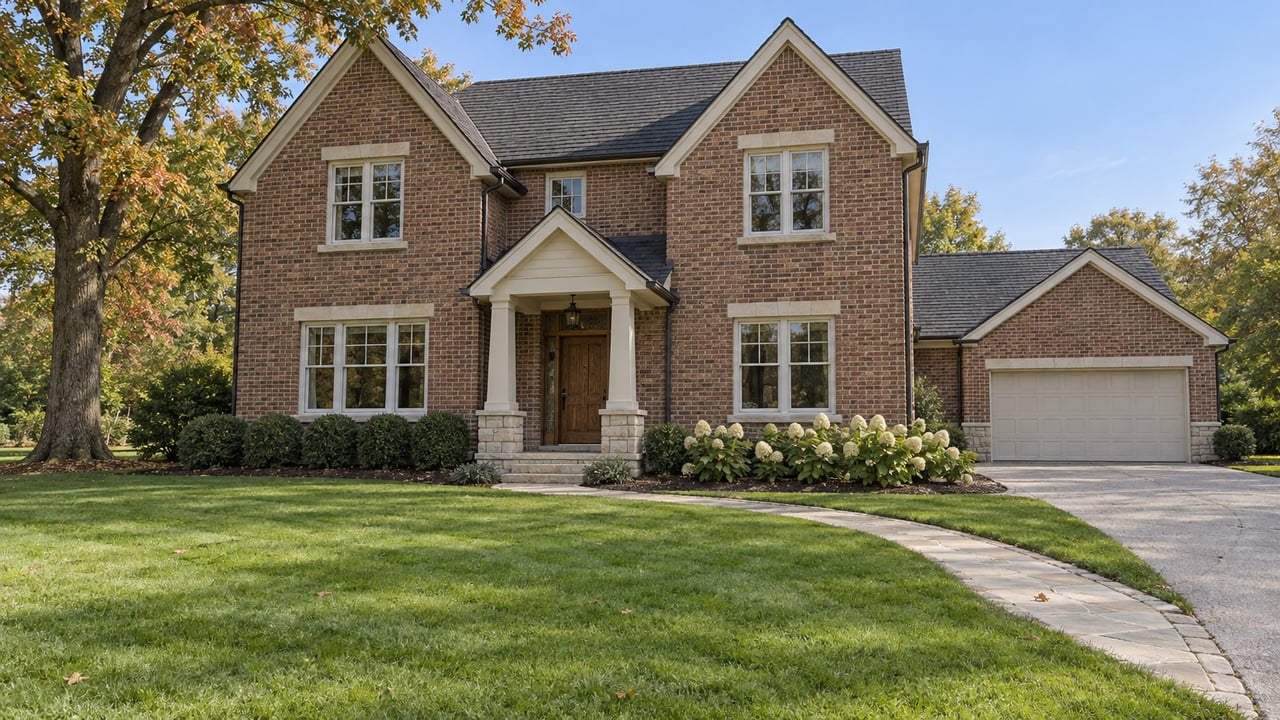
Barrington’s Historic District is listed on the National Register of Historic Places, and the village describes it as one of the largest frame-home districts in Illinois. That gives buyers a strong sense of place right away. The homes are part of a real historic setting, not just a neighborhood with a few older properties mixed in.
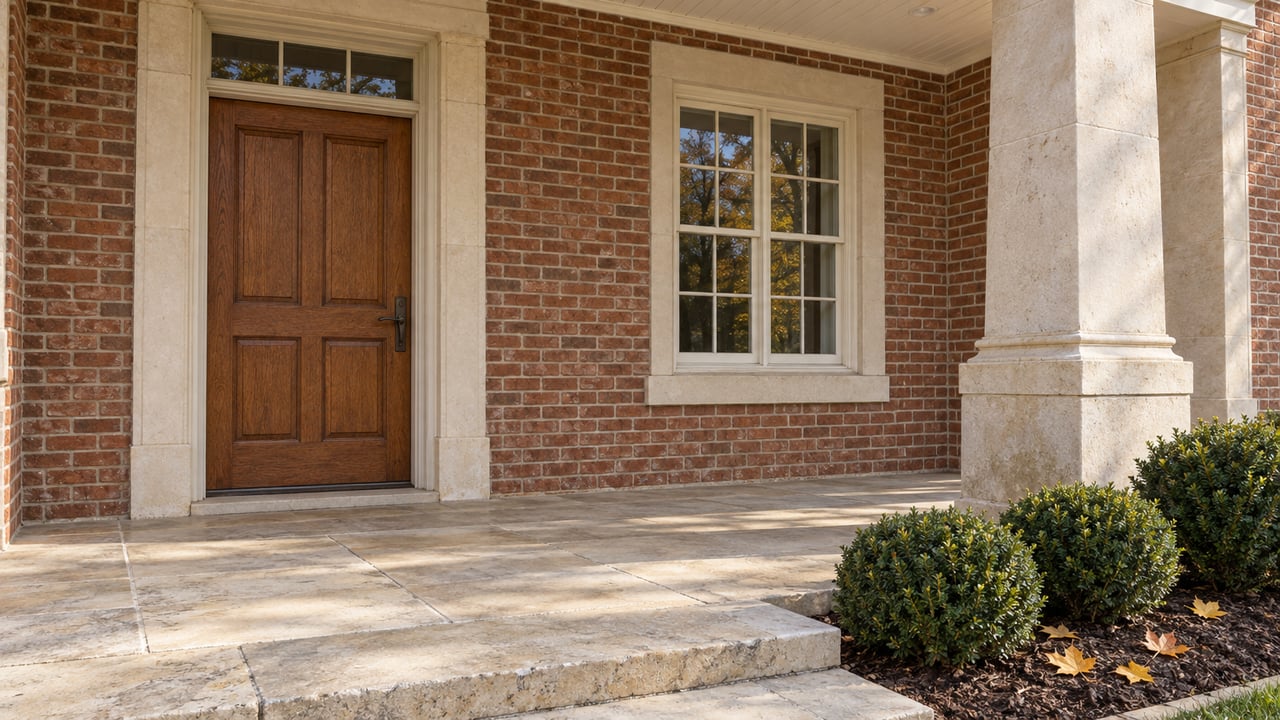
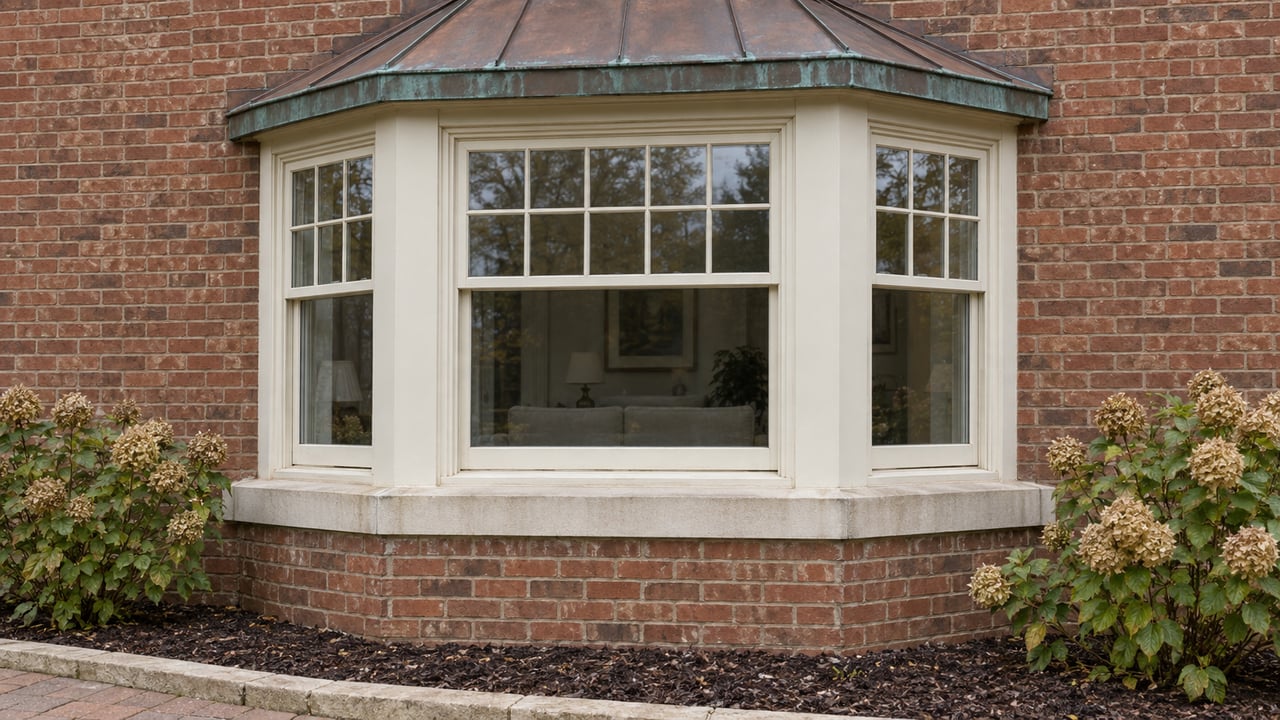
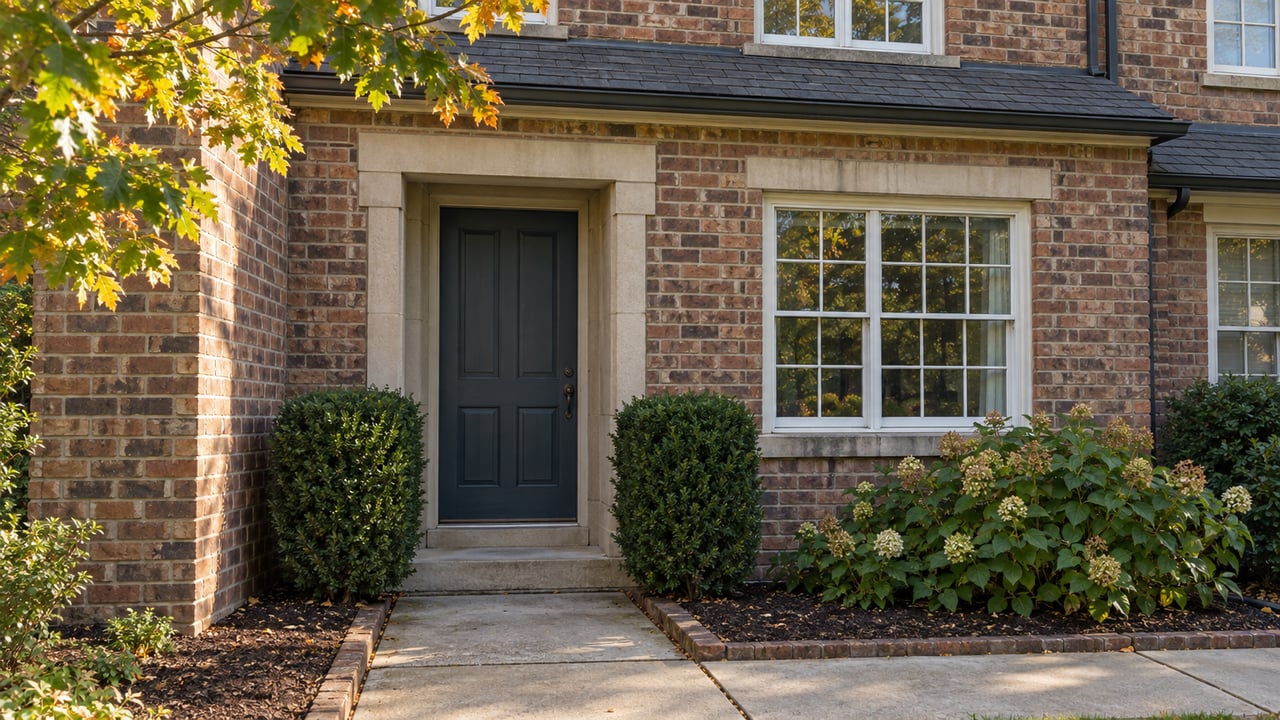
The architectural styles in the district include Folk, Craftsman, Victorian, and other early American styles. Queen Anne homes are especially visible on Lake Street, according to the village. If you appreciate original details, varied rooflines, front porches, and homes with a story to tell, this part of Barrington offers a distinctive visual experience.
The village also marks the history of homes and businesses with plaques throughout the area. That small detail adds to the everyday charm. As you walk or drive through the district, you can see that the historic character is recognized and cared for in a visible way.
Notable Landmarks in the Village
Barrington’s White House, the Catlow Theater, and the Octagon House are all listed by the village among its National Register buildings. These landmarks do more than add visual interest. They help define the village center as a place with civic pride and a strong connection to its past.
The Catlow Theater is also being restored through the Catlow 1927 Foundation, according to the village. For residents, that kind of investment reinforces the sense that Barrington values preservation and ongoing community life, not just nostalgia.
What Village Living Feels Like
Barrington’s village center works because it is compact, mixed-use, and connected. The village’s Comprehensive Plan describes it as an area with retail, service, office, artisan, institutional, and residential uses. It also notes that the subdistricts are within walking distance of each other and close to the Barrington Metra station.
In practical terms, that means your day can feel more streamlined. You may be able to grab coffee, run errands, visit a local shop, and head to the train without driving from one large commercial area to another. That pattern is a big part of what gives Barrington its village feel.
The retail mix includes specialty apparel, accessory and gift shops, jewelry, home furnishings, restaurants, and grocers. Major activity generators named in the plan include the Metra station, the Catlow Theater, the Barrington Area Historical Society, the Ice House Mall, Cook Street Plaza, Barrington Village Center, and Barrington’s White House. Together, those destinations create a downtown that feels useful, not just pretty.
Barrington and the Metra Commute
For many buyers, the Metra station is one of Barrington’s biggest lifestyle advantages. The village says the station is on Metra’s Union Pacific Northwest Line and was renovated in 2003. It also offers commuter parking, coffee, and a warm indoor waiting area.
That setup can make commuting feel more integrated into daily life. Instead of treating the train as a separate, inconvenient step, Barrington places it right in the rhythm of the village center. If you want a suburban setting with rail access to Chicago, this is a meaningful part of the appeal.
Culture and Community in the Core
A historic downtown feels even stronger when it stays active beyond business hours, and Barrington has several civic and cultural anchors that help make that happen. Barrington’s White House serves as a cultural center on Main Street for concerts, performances, lectures, art exhibits, and community gatherings. The village also highlights recurring 3rd Thursday Art Night Out programming there.
The Barrington Cultural Commission adds to that momentum. Its role is to create, coordinate, and cross-promote cultural activities in the village, working with local partners such as the library, park district, school district, and nonprofits. Its recurring offerings include the Barrington Art Festival, Town-Warming, poetry and storytelling events, author programs, and Art Night Out.
The Barrington Area Library is another important part of village life. The library describes itself as a 60,000-square-foot building serving a 72-square-mile district. For buyers, that speaks to the kind of downtown Barrington offers: one built around institutions and gathering places, not only shopping and dining.
Annual Events That Shape the Lifestyle
Barrington’s event calendar helps bring the village center to life throughout the year. Official village pages show the Barrington Art Festival filling downtown streets with about 120 artists. The Fourth of July Parade moves down Main Street, and Thursday Night Out brings a farmers market, live music, and family activities to Cook and Station Streets.
These events matter because they show how public spaces are used in real life. When you picture living near the village center, you are not only picturing storefronts and historic homes. You are picturing a place where the streets regularly become a setting for community activity.
Parks, Preserves, and Outdoor Access
One of Barrington’s strongest qualities is that village living still feels close to open space. The village emphasizes the area’s open-space character, equestrian heritage, and weekend cycling culture. It specifically describes cyclists parking at Barrington High School, riding back-country roads, and stopping in town for breakfast or lunch.
That image captures something important about Barrington. Even with a compact downtown, the area keeps a strong connection to outdoor recreation and scenic surroundings. You can enjoy the village center without giving up access to trails, preserves, and seasonal outdoor routines.
Nearby preserves named by the village include Crabtree Nature Preserve, Deer Grove Preserve, Spring Creek Preserve, Cuba Marsh, and Grassy Lake. That range of nearby outdoor spaces adds flexibility to your weekends and everyday routines.
Citizens Park and Cuba Marsh
Citizens Park is a 45-acre park off Northwest Highway and Lake Zurich Road. The park district says it includes walking and biking paths, a waterfall, an amphitheater, an ice rink, and other amenities. It also notes that the Cuba Marsh connection has made the route popular with dog walkers and 5K runners.
Cuba Marsh extends the recreation network even further. Lake County Forest Preserves notes a 0.9-mile gravel trail from the preserve to Citizens Park, including a boardwalk and timber bridge. For buyers considering the village area, this helps explain why Barrington can feel both connected and spacious at the same time.
What to Know About Historic District Rules
If you are thinking about buying a historic home in Barrington, it is important to understand that preservation here involves real review. The village says exterior changes in the Historic Overlay District generally require approval by the Architectural Review Commission and a Certificate of Appropriateness. Some smaller projects may be reviewed administratively.
That does not mean owning a historic home is impossible to manage. It does mean you should go in with a clear understanding of the review process before planning exterior updates. For many buyers, that preservation-minded approach is actually part of the value, because it helps protect the district’s visual consistency and long-term character.
Why Buyers and Sellers Watch This Area
Barrington’s village core tends to stand out for a specific combination of reasons. You have historic architecture, a compact downtown, rail access, cultural programming, and nearby green space all working together. That is not a common mix, and it helps explain why the area continues to attract interest from buyers who want both charm and function.
For sellers, that lifestyle story matters just as much as square footage or finishes. When a home is presented well, buyers can more easily connect the property itself to the broader Barrington experience. That includes the architecture, the walkable center, the community landmarks, and the day-to-day ease of living near it all.
If you are considering a move in Barrington, working with a local team that understands both the homes and the lifestyle can make a real difference. For tailored guidance on buying, selling, staging, and positioning your home in this market, connect with Tara Kelleher.
FAQs
What styles of historic homes are common in Barrington?
- Barrington’s Historic District includes Folk, Craftsman, Victorian, and other early American styles, with Queen Anne homes especially visible on Lake Street.
What is the Barrington village center like for daily life?
- The village center is a compact mixed-use area with shops, restaurants, services, institutions, and the Metra station within walking distance of each other.
What cultural attractions are part of Barrington village life?
- Barrington’s White House, the Barrington Area Library, the Cultural Commission’s programs, and events like Art Night Out and the Barrington Art Festival all help keep the village center active.
What should buyers know about Barrington historic district rules?
- In the Historic Overlay District, exterior changes generally require review by the Architectural Review Commission and a Certificate of Appropriateness, though some smaller projects may be handled administratively.
What outdoor recreation is near downtown Barrington?
- Nearby options include Citizens Park, Cuba Marsh, and preserves such as Crabtree Nature Preserve, Deer Grove Preserve, Spring Creek Preserve, and Grassy Lake.
What makes Barrington appealing for Chicago-area commuters?
- Barrington’s Metra station on the Union Pacific Northwest Line sits near the village center and offers commuter parking, coffee, and an indoor waiting area.