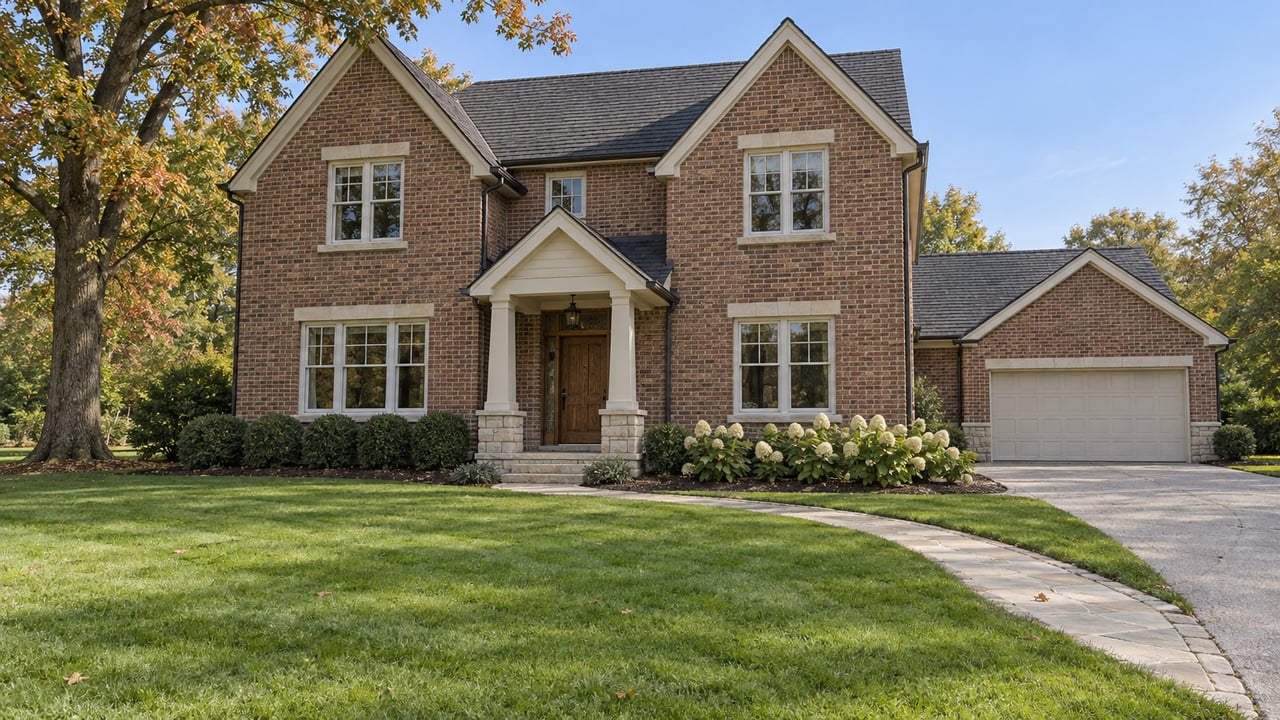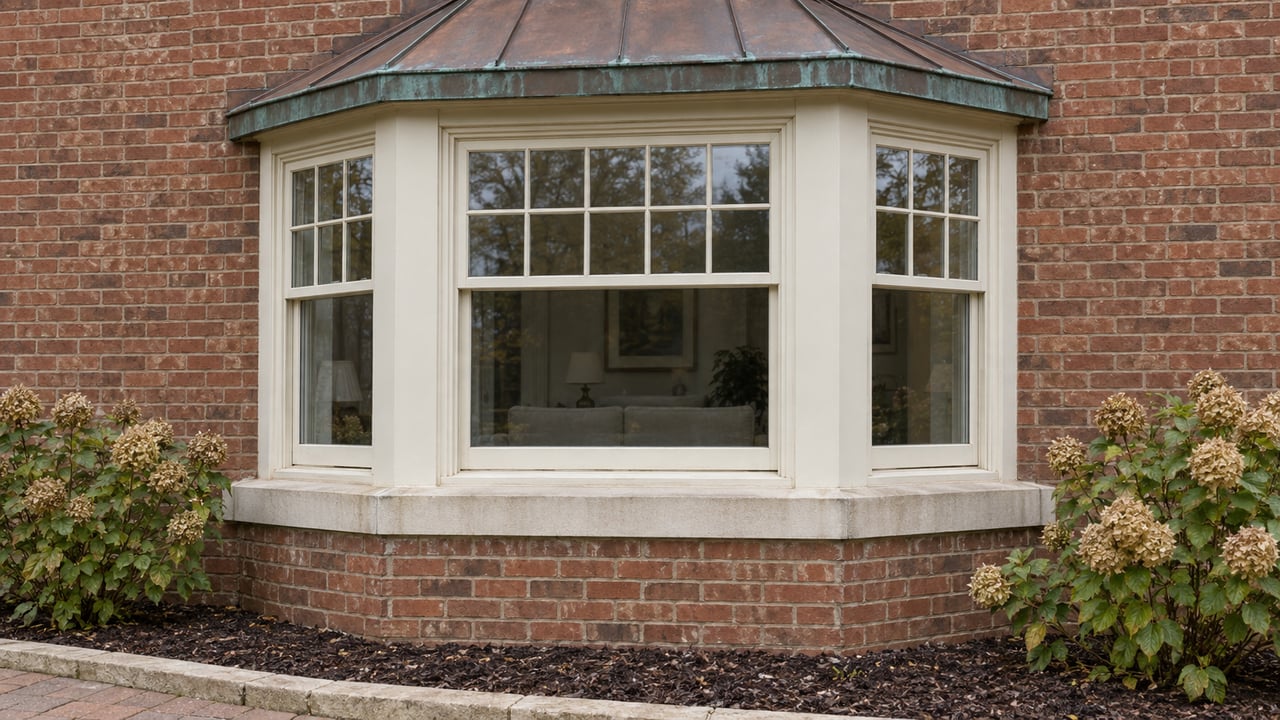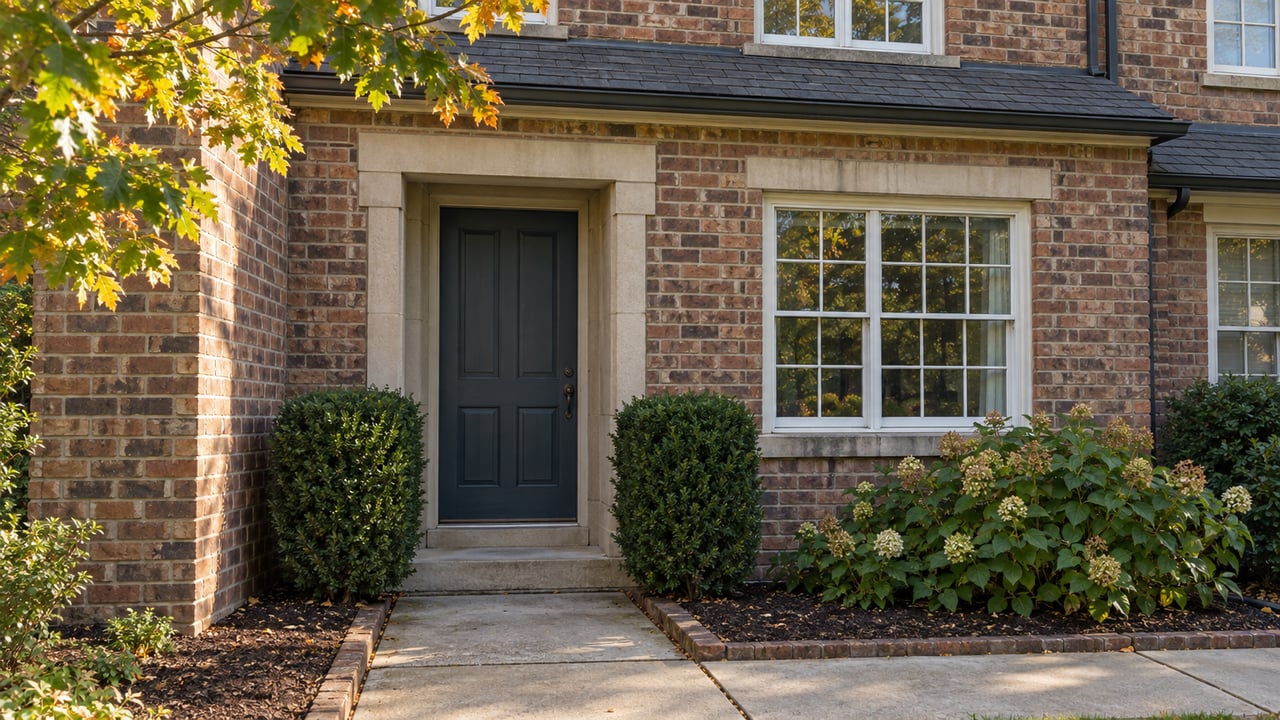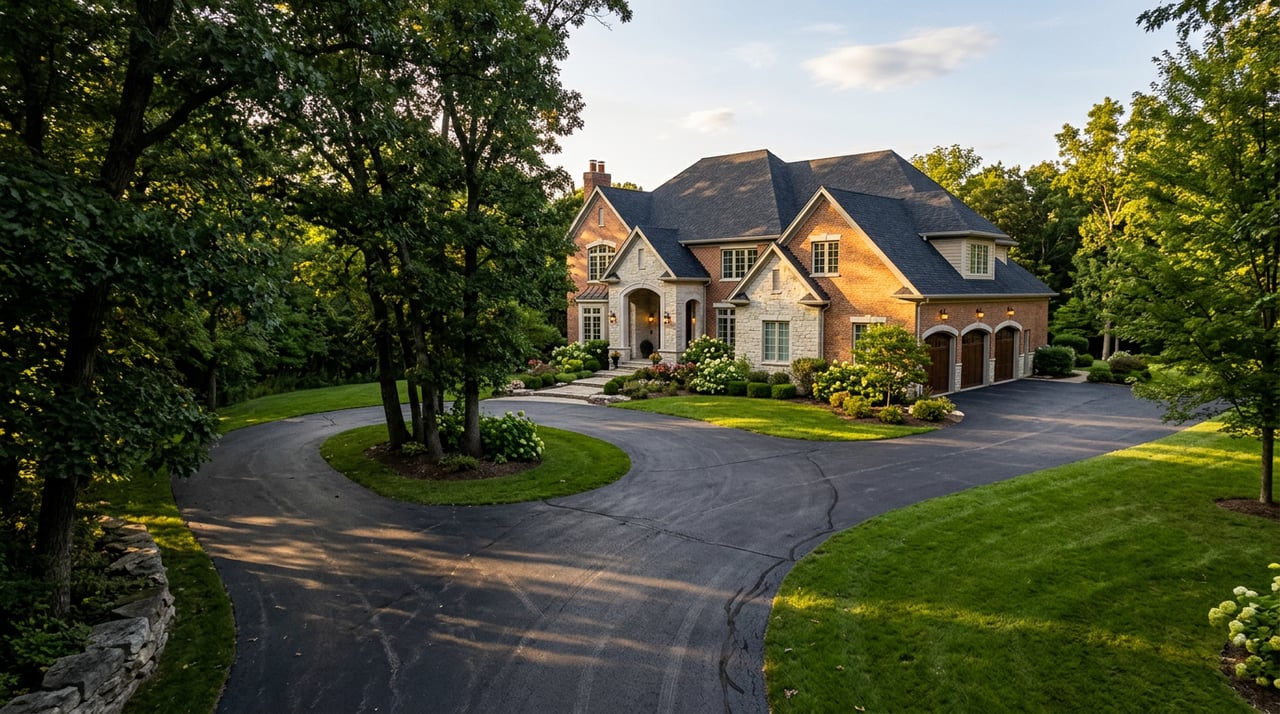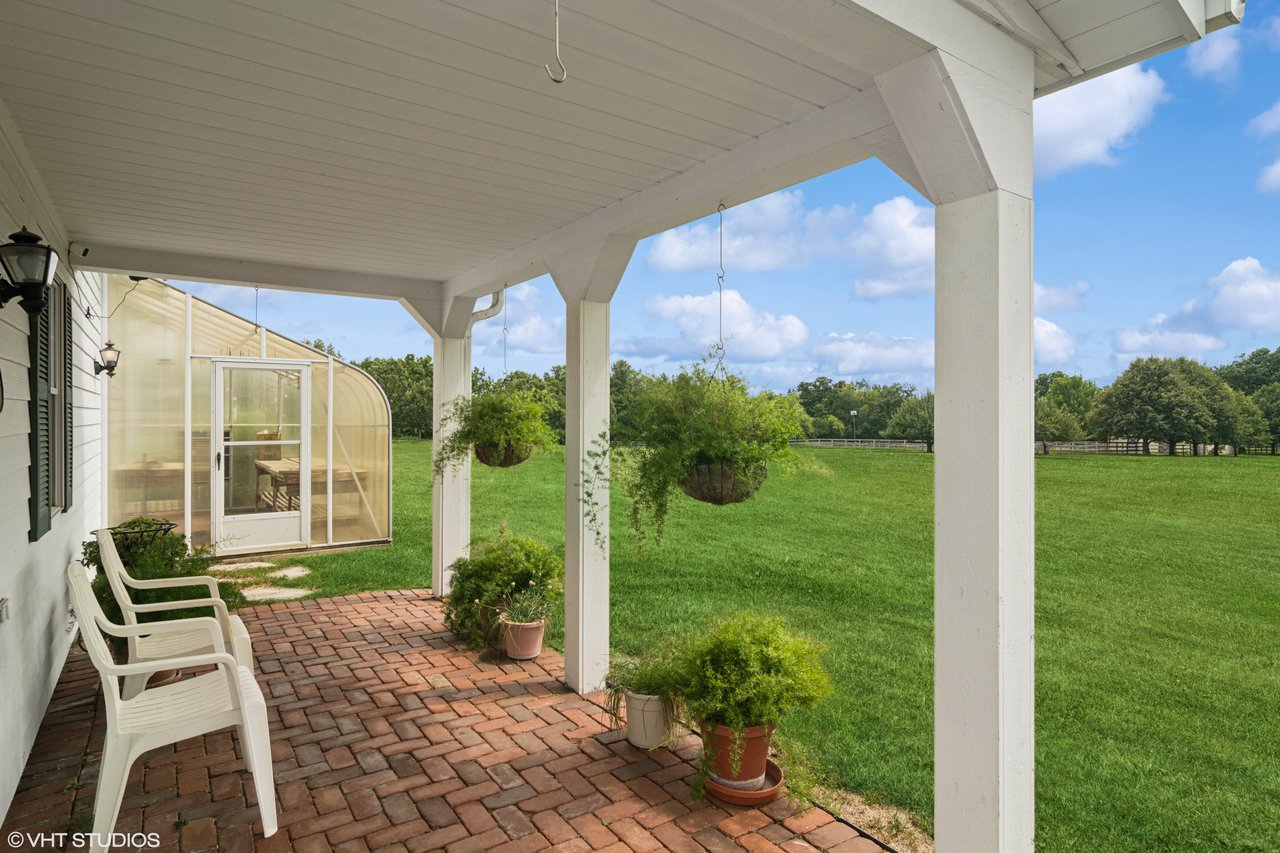
If you have ever wondered what it really feels like to live on acreage in Barrington Hills, the short answer is this: it is spacious, peaceful, and deeply hands-on. You get room to breathe, room to build a lifestyle around nature, and room for hobbies that simply do not fit on a standard suburban lot. You also take on more responsibility for the land, the systems that serve your home, and the projects you plan outdoors. Let’s dive in.
Acreage Living Means Space by Design
Barrington Hills is not just a suburb with larger lots. It is a deliberately low-density village about 40 miles northwest of Chicago that spans roughly 29 square miles and is built around open land, separation, and privacy.
That identity shows up clearly in local zoning. In the R1 district, single-family detached homes require 5 acres, and the village has said that preserving a five-acre minimum was central to its incorporation in 1957.
In practical terms, that means acreage living here feels different from a typical move-up home search. You are not simply buying a house with a bigger yard. You are stepping into a community where land is part of everyday life.
What Daily Life Feels Like
On a day-to-day level, life on acreage often feels quieter and more flexible. Most parcels are 5 acres or larger, and the village describes the lifestyle as one where residents may grow flower and vegetable gardens, raise animals, and keep horses.
That kind of space changes how you use your property. Your morning might start with a walk down a long drive, time in the garden, or a check on a barn or fenced area before the rest of the day begins.
It also changes the rhythm of homeownership. With more land around you, privacy becomes part of the routine, and outdoor space is not just for occasional entertaining. It becomes part of how you live every day.
Privacy Comes With More Self-Management
One of the biggest adjustments for many buyers is that acreage living in Barrington Hills is more self-managed than life in a typical subdivision. The village does not provide water or sewer service, and most homes rely on private wells and septic systems.
That means regular maintenance matters. The village recommends annual water testing, and it notes that septic tanks usually need pumping about every three years.
Household waste works differently too. Trash service is privately contracted rather than municipally collected, so day-to-day logistics are a little more independent.
For many homeowners, that tradeoff is worth it. You get more land, more privacy, and more flexibility, but you also need to stay organized about the systems that keep the property running smoothly.
Outdoor Projects Need Planning
Acreage can create a sense of freedom, but it does not mean anything goes. In Barrington Hills, many outdoor improvements require permits, including accessory structures such as barns, detached garages, coach houses, and sheds.
There are limited exceptions. A shed under 200 square feet without electricity or plumbing may not need a permit, but setback rules still apply.
The village has also identified many common outdoor projects that can trigger permit requirements. These include:
- Patios
- Outdoor kitchens
- Pools
- Sport courts
- Solar panels
- EV chargers
- Earth moving
This is one reason acreage buyers benefit from thinking beyond the house itself. If you are imagining a barn, a pool, a garden structure, or a major outdoor entertaining area, it is smart to understand the property setup and local requirements early.
Horses and Hobby Uses Are Part of the Lifestyle
Barrington Hills has a strong equestrian identity, and that is not just a marketing phrase. The village explicitly welcomes private horse ownership and what it calls neighborly boarding, and local materials describe horses as part of the community fabric.
The zoning framework supports that identity. The code requires 5 acres for stables in every residential district, which reinforces that horsekeeping is built into the village’s land-use model.
The village also says residents may raise chickens, ducks, goats, alpacas, bees, and other animals allowed by the state. For buyers seeking a more rural lifestyle without leaving the northwest suburbs, that flexibility is a major part of the appeal.
Of course, these uses still come with responsibilities. Animal care, building compliance, land management, and day-to-day upkeep all become part of how you plan and use the property.
The Trail Network Shapes Local Life
One of the most distinctive parts of living on acreage in Barrington Hills is how closely the community is tied to riding trails and open space. The Riding Club of Barrington Hills says it maintains more than 150 miles of bridle paths, including public trails on county-owned land and private trails for members and guests.
That trail culture gives the village a different feel from many suburban communities. Even if you are not an equestrian, the presence of trails, barns, and large stretches of open land shapes the look and pace of the area.
If you do ride, it helps to know that trail access can come with rules. For Forest Preserves of Cook County equestrian trails, riders need a rider’s license and horses must have an FPCC tag.
The Barrington Hills Park District Riding Center adds another local resource. The 15-acre facility includes an indoor area, stalls, one large outdoor arena, a warm-up arena, wash racks, a round pen, trailer parking, and access to forest preserve trails, with helmets and facility rules required for riders.
Nature Is Part of Everyday Living
The payoff for the extra work is easy to see. Barrington Hills includes more than 4,722 acres of forest preserve, and the village highlights outdoor activities such as biking, running, hiking, horseback riding, kayaking, fishing, cross-country skiing, snowshoeing, and more.
This is one reason acreage living here appeals to people with many interests, not just one. The lifestyle is less about owning a large lot for appearances and more about having room to actually use the land and the surrounding environment.
Nature is also part of the village identity. Barrington Hills became one of the first Bee City USA affiliates in Illinois in 2019, and it is recognized as an Important Bird Area, which reflects the local emphasis on habitat, pollinators, and birdlife.
For homeowners, that can shape everything from how you landscape to how you spend your weekends. The land around you is not just a backdrop. It becomes part of your routine.
Country Chores Are Real
Acreage living often looks idyllic, and in many ways it is. Still, it is important to understand that the beauty of the setting comes with regular work.
Open burning, for example, is allowed only for landscape waste and untreated wood, and on-site supervision is required. Rules like that are a reminder that even relaxed, rural-feeling living still operates within a clear structure.
The same goes for seasonal property care. Larger lots naturally mean more mowing, more tree and landscape attention, and more general oversight than a standard suburban property.
That does not have to be a negative. For many homeowners, caring for the land is part of the reward. It simply helps to go in with a realistic picture of the lifestyle.
Is Barrington Hills Acreage Right for You?
If you want a conventional suburban setup with municipal utilities and minimal outdoor upkeep, acreage living may feel like more work than you want. But if you value privacy, open space, flexibility, and a stronger connection to nature, Barrington Hills offers a very specific lifestyle that is hard to replicate nearby.
This is especially true if you picture your home life extending beyond the walls of the house. Gardens, trails, outdoor recreation, barns, hobby uses, and peaceful separation from neighbors all play a bigger role here.
The key is knowing that the appeal and the responsibility come together. More land usually means more systems to manage, more rules to understand, and more intention around how you use the property.
If that tradeoff sounds right for you, Barrington Hills can offer a rare kind of everyday living in the Chicago area. And if you are preparing to buy or sell here, local knowledge matters because the lifestyle is as important as the floor plan.
If you are thinking about buying or selling in Barrington Hills, Tara Kelleher can help you understand how acreage, lifestyle, and presentation come together in this unique market.
FAQs
What does acreage living in Barrington Hills usually mean?
- In Barrington Hills, acreage living usually means large residential parcels, often 5 acres or more, with a lifestyle centered on privacy, open space, and flexible outdoor use.
Do Barrington Hills homes usually have well and septic systems?
- Yes. Most homes use private wells and septic systems because the village does not provide water or sewer service.
Can you keep horses on a Barrington Hills property?
- Yes. Barrington Hills welcomes private horse ownership, and the zoning code requires 5 acres for stables in residential districts.
Are Barrington Hills riding trails public or private?
- Both. The area includes public equestrian trails tied to county-owned land as well as private trails limited to Riding Club members and guests.
Do outdoor projects in Barrington Hills need permits?
- Many do. Permits are often required for structures and improvements such as barns, detached garages, patios, pools, outdoor kitchens, sport courts, solar panels, EV chargers, and earth moving.
What extra maintenance comes with a Barrington Hills acreage property?
- Common responsibilities include annual water testing, septic upkeep, private waste service, land care, and permit review for certain outdoor projects and structures.