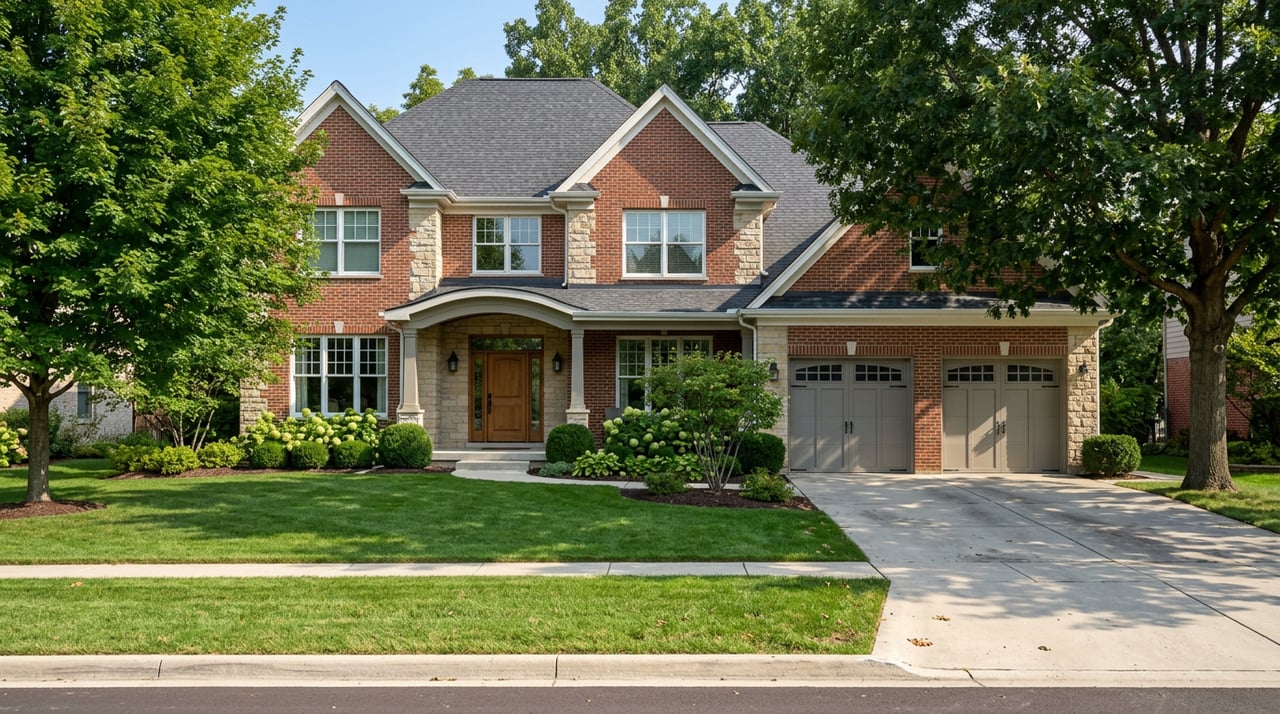
Craving more space, a yard, and quieter streets without losing access to Chicago? If you’re weighing a move from the city to the Barrington area, you’re not alone. Many buyers trade condo living for more square footage and green space, but they also want a clear view of commute times, housing costs, schools, and day‑to‑day lifestyle. This guide gives you practical facts and local context so you can plan with confidence. Let’s dive in.
Big-picture shift: space, pace, commute
Moving from Chicago to Barrington usually means larger homes, bigger lots, and a slower pace. In return, you’ll likely add commute time and rely more on driving for errands and activities. Barrington is about 38 miles from downtown Chicago by car, and the Metra station is roughly 31.9 miles from Ogilvie. You can verify the distance and station info using this driving example and the Barrington Metra station page for context.
- Distance snapshot: Barrington is about 38 miles from downtown by car, which helps you visualize door‑to‑door planning. See an example on Travelmath’s Chicago to Barrington drive distance.
- Station context: The Barrington station on Metra’s Union Pacific Northwest Line sits about 31.9 miles from Ogilvie.
Commute options and times
Metra UP-NW line
If you prefer predictable travel, Metra’s Union Pacific Northwest line is your anchor. Scheduled trips between Barrington and downtown Chicago commonly range from about 50 to 75 minutes depending on the train. Schedules and express vs. local patterns change, so check current runs and test the exact trains you would take. For planning context, see typical rail times on Rome2Rio’s Chicago to Barrington overview.
Driving on I-90 and major routes
Driving typically ranges from about 45 to 90 minutes or more depending on traffic, weather, and your exact start and end points. Many commuters use I‑90, also known as the Jane Addams Memorial Tollway, along with state routes like US‑14 and IL‑59. Note that I‑90 is tolled, so factor I‑PASS costs into your monthly budget. You can review local context on the Barrington, Illinois page.
Parking and hybrid routines
If you plan to use Metra, check station parking availability and permit rules on the Barrington station and village pages. Many buyers adopt a hybrid routine, driving to the station on weekdays and using the car for local errands and activities. When you tour homes, time the drive to the station and find out about permit waitlists early.
Housing and cost tradeoffs
Price ranges and sources
Buyers typically move to Barrington for space, privacy, and single‑family homes that are scarce or pricey in the city. Recent 2024–2025 snapshots show ZIP 60010 medians generally higher than Chicago city medians. Examples reported across different datasets and months: ZIP 60010 medians often fall in the roughly 625k to 900k range depending on the measure, while citywide Chicago medians tend to land around the low‑to‑mid 300ks. Sources differ by list vs. sold price and by update cadence, so always note the data source and date when you compare figures.
Taxes and utilities
Illinois has relatively high effective property tax rates compared with national averages, and local school levies play a big role. Moving from a city condo to a larger suburban home often raises monthly carrying costs. Plan for property taxes, higher utility usage for more square footage, and seasonal needs like heating in winter. For broader context, review statewide discussions on tax burden, such as this overview from Wirepoints on Illinois property taxes.
Services and maintenance
With a yard and larger home, budget for lawn care, snow removal, gutter and roof maintenance, and periodic exterior work like driveways and fences. Homeowners insurance and energy bills can also rise with square footage. If you are upsizing, include these items when you compare your current monthly spend to a Barrington‑area home.
Schools and boundaries
Barrington 220 overview
Most of the Barrington area is served by Barrington Community Unit School District 220, which highlights strong district recognition and recent facility investments. If schools are part of your decision, explore current initiatives and program highlights directly on the district site. A good place to start is the district’s updates on capital planning and improvements at Barrington 220’s Transform 220 page.
Boundary checks and data
Barrington’s footprint spans parts of Cook and Lake counties, and school boundaries can vary by subdivision. Two neighboring streets can feed into different elementary or middle schools. Always confirm the assigned schools for a specific address on district maps and review school‑level performance data on the Illinois Report Card for Barrington High School. If you are also exploring private or parochial options, factor in application timelines and transportation.
Neighborhood snapshots
Barrington village
The village core offers a small, walkable downtown with local restaurants, shops, a library, theater, and community events. You can find a mix of charming in‑town homes and traditional suburban houses. Buyers who want access to the Metra station and village amenities often focus searches here.
Barrington Hills
Barrington Hills is known for estate‑style living, equestrian culture, and very large lots with a rural feel. Zoning emphasizes acreage and open space, so privacy and land are key draws. To understand lot size and use patterns, see the Barrington Hills zoning materials.
North and Lake Barrington
These communities include lake‑area living and neighborhood amenities with a classic suburban feel. You will see a mix of single‑family homes, some with water access or views, along with association amenities in certain developments. Driving remains the primary way to reach shopping and dining.
South Barrington
South Barrington features newer subdivisions and sizable single‑family homes, along with regional shopping and dining. It offers convenient access to I‑90 and car‑oriented retail. Many buyers prioritize newer construction, space, and proximity to major routes here.
Inverness and nearby villages
Inverness and adjacent villages offer quiet residential streets, mid‑sized lots, and a suburban pace. Depending on the pocket, you may be closer to regional employment centers and highways. If you plan to ride Metra, consider your drive time to nearby UP‑NW stations when you shortlist neighborhoods.
Health care and local amenities
Day‑to‑day life benefits from strong local services. Advocate Good Shepherd Hospital provides regional inpatient and emergency care for Barrington‑area residents. You can review its capabilities on Hospital Care Data’s Good Shepherd profile. For parks, forest preserves, library programming, and community events, browse the Barrington Area Resource Guide to get a feel for activities and seasonal highlights.
Try before you buy: a simple checklist
Use this quick plan to validate the move and refine your budget.
- Commute test: Drive the route during your target rush hour and ride the exact Metra trains you would take. Start with the Barrington Metra station page for parking and service context.
- Transit and parking: Confirm current schedules and station parking rules. Note permit timing and daily rates before you bid on a home.
- Price comparisons: When you review market stats, label numbers by source and date. Note whether a figure is a median listing price or a median sold price.
- Property taxes: Get an address‑specific tax estimate before you finalize your budget. For statewide context on tax burden, see Wirepoints on Illinois property taxes.
- School boundaries: Confirm assigned schools for the exact address and review outcomes on the Illinois Report Card for Barrington High School.
- Household services: Add line items for lawn care, snow removal, larger utilities, and any association fees.
- Lifestyle fit: Consider weekend drives back to the city, how your social life may shift to local events, and which neighborhood vibe suits your routine.
Sample move scenario
Here is a simple, illustrative example to frame your decision. Imagine you sell a two‑bedroom city condo for about $375,000 and target a single‑family home in ZIP 60010 priced near $700,000. Your mortgage and insurance may rise with the larger home, and property taxes could be higher based on local levies. Commute time may shift from a 30‑minute in‑city trip to a 50‑ to 75‑minute Metra ride or a 45‑ to 90‑minute drive depending on conditions. Use your lender’s estimates and address‑specific tax lookups to replace these placeholders with real numbers before you write an offer.
Next steps with a local guide
If Barrington’s space and lifestyle appeal to you, bring in a local advisor early. You will refine neighborhoods based on commute, schools, and day‑to‑day needs, then structure a search that fits your budget and timeline. For hands‑on guidance and a curated experience from first tour to close, connect with Tara Kelleher.
FAQs
How long is the commute from Barrington to downtown Chicago?
- Plan for roughly 50 to 75 minutes on Metra’s UP‑NW line, or about 45 to 90 minutes by car depending on traffic, weather, and your exact start and end points.
What are typical home prices in Barrington versus Chicago?
- Recent 2024–2025 snapshots show ZIP 60010 medians around the mid‑$600ks to near $900k depending on metric and month, while Chicago city medians often fall in the low‑to‑mid $300ks; always note the source and date.
Which Barrington areas work best for Metra commuters?
- Focus on homes in or near Barrington village for proximity to the UP‑NW station, or plan an easy drive to UP‑NW stops with reliable parking as part of your daily routine.
How do property taxes compare when moving to Barrington?
- Illinois has relatively high effective property tax rates; larger suburban homes may carry higher bills than a city condo, so get an address‑specific estimate and include it in your monthly budget.
How can I confirm school assignments for a specific Barrington address?
- Check the district’s boundary maps and verify with the Illinois Report Card for school‑level data; boundaries can vary by subdivision, even between nearby streets.
What local amenities will I find in the Barrington area?
- You will find forest preserves, community parks, library programs, local dining and shopping, and regional health care at Advocate Good Shepherd Hospital, plus seasonal events in the village.