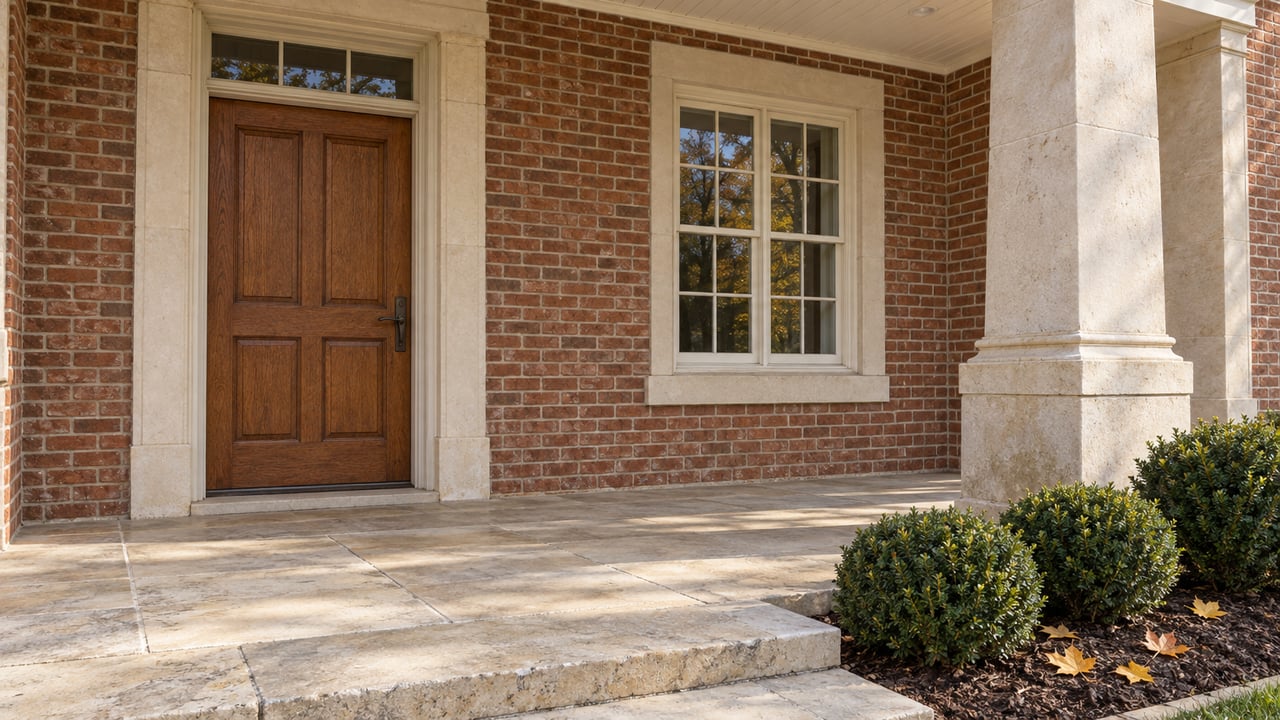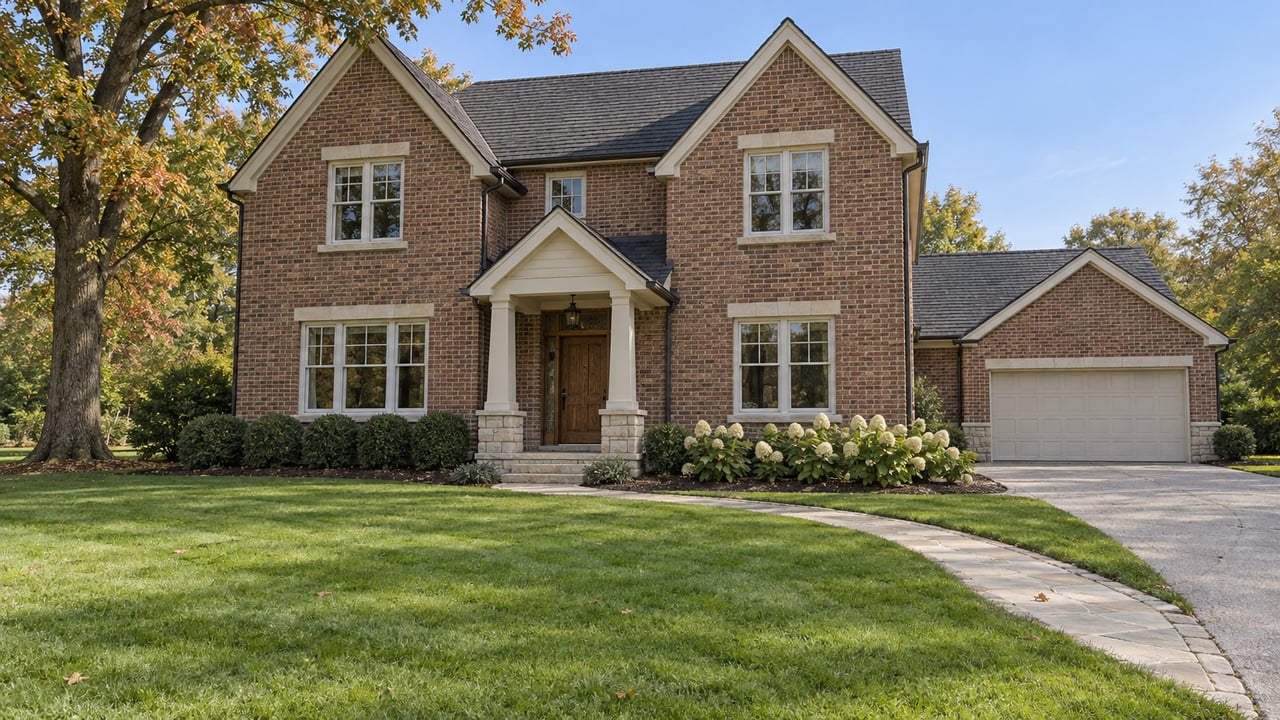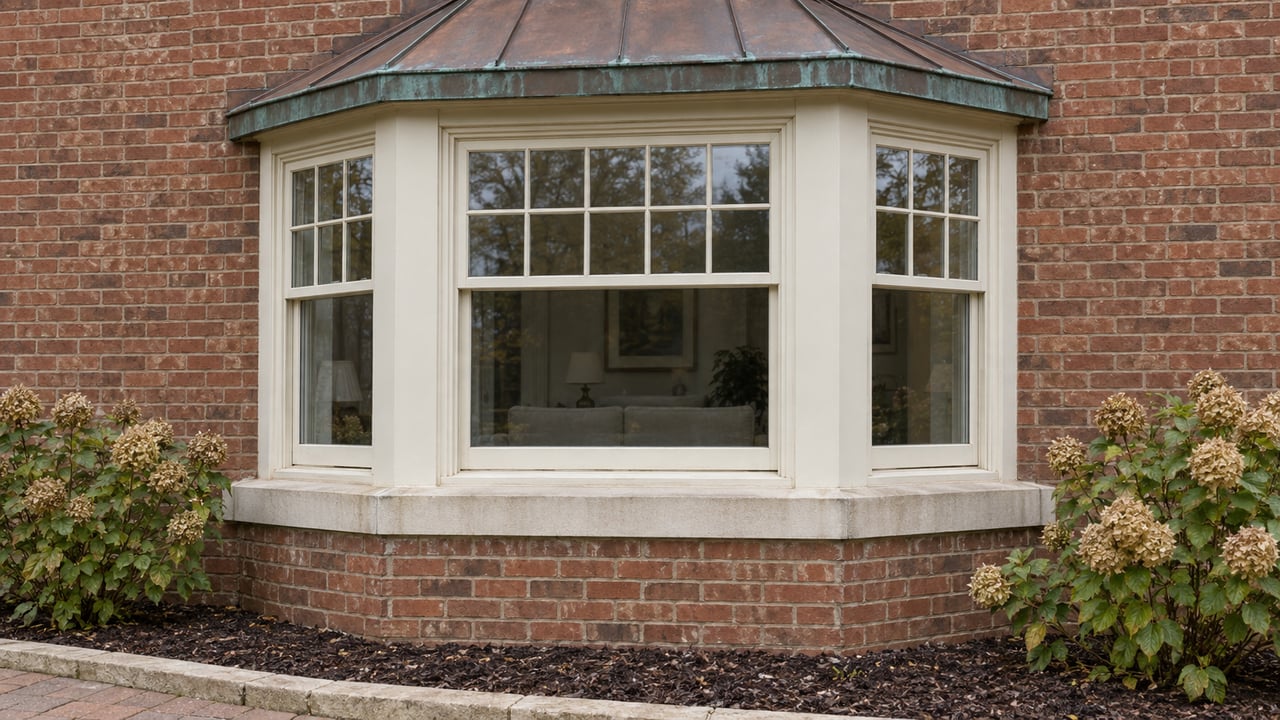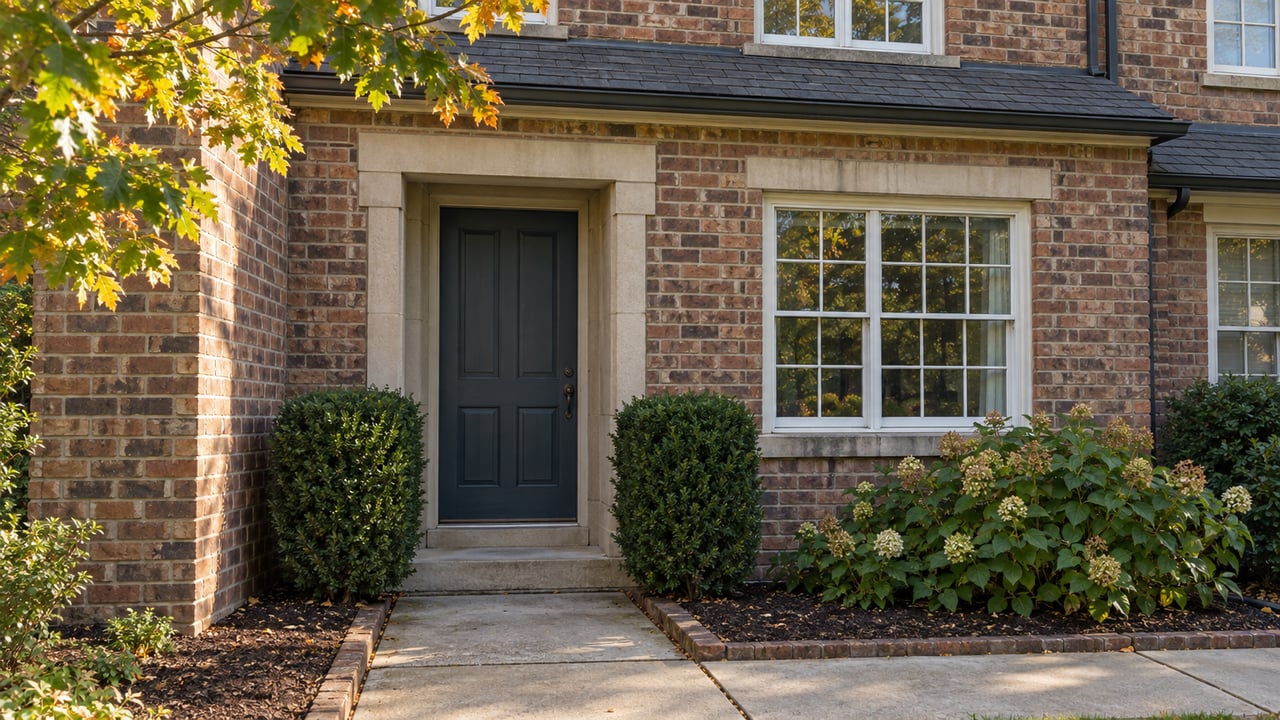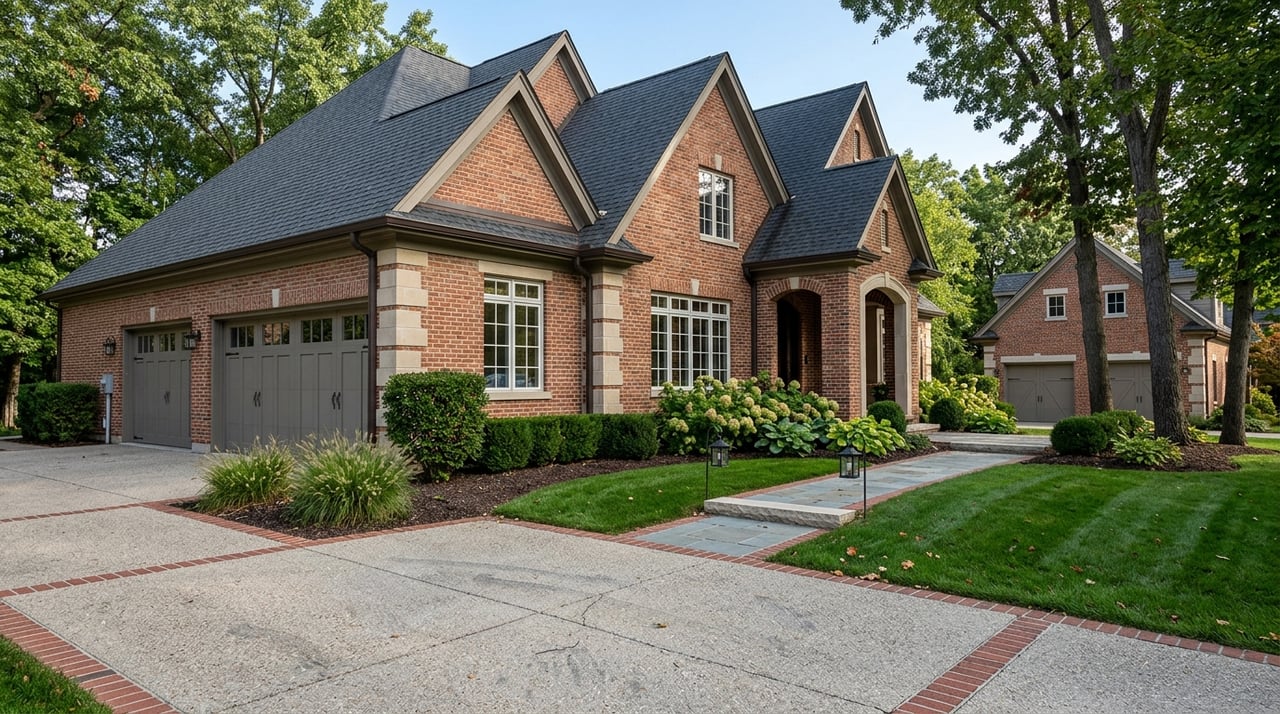
If you are selling an acreage estate in Barrington Hills, you are not just selling a house. You are selling land, systems, outbuildings, access, and a very specific lifestyle that buyers expect to understand clearly before they make an offer. That can feel like a lot to organize, but with the right preparation, you can present your property with confidence and avoid surprises later. Let’s dive in.
Why Barrington Hills estates sell differently
Barrington Hills is not a typical suburban market. The village covers about 29 square miles across Cook, Kane, Lake, and McHenry counties, and the village describes the community as one where most parcels are 5 acres or larger with a strong equestrian identity and extensive trail use. That means acreage is often central to value, not just a nice extra.
The zoning framework supports that reality. The village zoning code requires 5 acres for agriculture and for single-family detached dwellings in the R1 district, and it also requires 5 acres for stables in all residential districts. In practical terms, barns, paddocks, privacy, tree coverage, and land use flexibility can shape buyer interest just as much as the main residence itself.
That is why selling here calls for a more tailored approach. A Barrington Hills estate usually attracts a narrower, lifestyle-driven buyer pool than a standard subdivision home, so your pricing, presentation, and marketing need to speak to how the full property functions.
Start with the property as a whole
When buyers look at acreage in Barrington Hills, they usually evaluate the entire site. They want to understand how the house, land, outbuildings, and utility systems work together. If any part feels unclear, they may hesitate or price that uncertainty into their offer.
A strong pre-listing plan helps you control that first impression. Instead of thinking only about fresh paint and furniture placement, think about how a buyer will tour the grounds, interpret the barn or shed, and ask questions about the well, septic, trees, and property lines.
For many sellers, the best first step is creating a clean property file. That file can include maintenance records, permits, surveys, utility documentation, and service receipts so key details are ready when buyers start asking.
Prepare land and outbuildings
On an acreage estate, deferred outdoor maintenance is easier for buyers to spot. Brush piles, unclear access paths, cluttered outbuildings, and overgrown edges can make the property feel harder to manage than it really is. A tidy, organized site helps buyers focus on potential instead of work.
The village notes that no construction work should begin without applicable permits, and tree removal can require a permit when heritage trees or woodland are involved. Before starting major cleanup or site changes, it is wise to review the Village Building Department guidance so your prep work stays aligned with local rules.
Fences and open burning also deserve attention. The village states that fences may be solid up to 6 feet, or up to 8 feet if the upper portion is 50% open, and it recommends setting fences back from property lines to help reduce disputes. It also limits open burning to landscape waste and untreated wood, with on-site supervision required.
For larger properties, cleanup often requires private hauling. Because the village does not provide municipal household waste pickup, sellers may need to coordinate trash, yard waste, and manure removal before the property hits the market. That step alone can make barns, sheds, and service areas show much better.
Outdoor prep items to prioritize
- Clear brush and define access routes
- Organize barns, sheds, and storage areas
- Remove unused equipment and debris
- Review fence placement and visible boundary areas
- Gather records for tree work, permits, or repairs
- Arrange private hauling for waste and large-item cleanup
Document well and septic systems early
One of the most important Barrington Hills selling points is also one of the first buyer questions. The village does not provide water and sewer service, so most homes rely on private wells and septic systems. Buyers often want details early because these systems affect both confidence and due diligence.
The village recommends annual water-quality testing, periodic inspection of well tanks and pumps, and septic pumping about every three years. If you can show buyers recent testing results, pumping receipts, service invoices, and repair documentation, you reduce uncertainty and create a smoother conversation around condition and maintenance.
This matters even more in a market where buyers may be comparing several large properties at once. When one seller has complete system records and another does not, the better-documented property usually feels easier to evaluate.
If your home is in incorporated Barrington Hills, the village handles septic plan approvals and installation inspections through its own building department. You can review the village’s water, septic, and waste management information and building department resources as you prepare your records.
Get ahead of disclosures and due diligence
Illinois sellers have clear disclosure obligations, and acreage properties tend to invite more detailed buyer questions. Under the Illinois Residential Real Property Disclosure Act, sellers must complete the required disclosure report before signing a contract. If you later learn of an error or a new issue before closing, the law also requires a supplemental disclosure.
The same law makes clear that the disclosure is not a substitute for inspections or warranties. Still, a thoughtful seller can make the process easier by organizing material information in advance and answering questions consistently.
For acreage homes, buyers may go beyond a standard home inspection. They may ask about well-water quality, septic evaluations, permit history, additions, remodels, surveys, easements, barns, or other structures on the property.
Cook County Public Health notes that homeowners selling a home with a well and or septic system typically need an evaluation, and requests should be made two to three weeks in advance. That timing matters if you want to keep your listing and contract timeline moving.
Important records to gather before listing
- Illinois property disclosure paperwork
- Recent well-water test results
- Septic pumping and service receipts
- Radon test results, if available
- Permit records for additions, remodels, barns, or site work
- Survey or plat showing boundaries and improvements
- Invoices for major repairs or system replacements
Radon and testing questions matter
Radon often comes up in Illinois transactions, and Barrington Hills sellers should be prepared for that conversation. The Illinois Emergency Management Agency and Office of Homeland Security recommends action at 4.0 pCi/L or higher, and its real estate pamphlet is the one tied to the Illinois Radon Awareness Act for residential sales. Reviewing the state’s radon guidance and real estate publications can help you understand what buyers may expect.
Even if a buyer plans to do their own testing, being ready with prior reports or mitigation information can make your property feel more transparent. That is especially helpful when a home already has multiple moving parts, such as acreage, equestrian features, or several outbuildings.
Price with discipline, not guesswork
Acreage estates are rarely well served by broad, house-only comparisons. In Barrington Hills, land size, privacy, tree coverage, utility systems, outbuildings, horse facilities, and access can all affect value. That means pricing should reflect the property’s full package, not just bedroom count and interior finishes.
Current market context also supports a disciplined strategy. Realtor.com’s Barrington Hills market page reports 25 homes for sale, a median home price of $1,995,000, a median price per square foot of $245, and a sale-to-list ratio of 97%. It also reports that homes sold for 2.66% below asking on average in February 2026 and classifies the area as a buyer’s market.
In that environment, overpricing can cost you early momentum. Buyers looking at estate properties tend to be informed and selective, so the best pricing strategy is one that respects both current conditions and the unique features of your land.
Market the estate, not just the residence
A Barrington Hills property needs marketing that explains the site clearly and visually. Standard interior photos are still important, but they are not enough on their own when acreage and outbuildings are part of the value story.
Your marketing should help buyers understand scale, layout, and use. That often means aerial photography, a survey or plat image, outbuilding photos, and a clear summary of land features, utility systems, and improvements.
Because Barrington Hills is closely associated with equestrian living, backyard barns, and broader animal-use flexibility, niche targeting also matters. The right presentation can speak directly to buyers looking for privacy, hobby farm potential, horse facilities, or space for specialized storage and recreation.
Marketing assets that help acreage listings stand out
- Professional photography of the home and grounds
- Aerial images showing layout and access
- Barn, stable, shed, or garage photography
- Survey or plat visuals when available
- A concise feature sheet covering land and systems
- Clear descriptions of trails, paddocks, or fenced areas
- A polished staging plan for the main residence
This is where thoughtful presentation can make a meaningful difference. When a property feels curated, documented, and easy to understand, buyers are more likely to engage seriously and move forward with confidence.
Anticipate the questions buyers will ask
The smoothest acreage sales usually happen when sellers prepare answers before the first showing. In Barrington Hills, buyers often want to know whether the property has public water or sewer, what the well and septic history looks like, whether horses or barns are allowed, and whether there are current surveys or easements.
They may also ask about tree rules, brush cleanup, or fence placement. Those are reasonable questions in a village where site conditions and land-use rules are a meaningful part of ownership.
If you can answer those questions with documents, visuals, and a consistent narrative, your property feels more credible from day one. That helps buyers focus on fit and value instead of uncertainty.
Selling an acreage estate in Barrington Hills takes more than listing the home and waiting for the right buyer to appear. It takes a coordinated plan for land presentation, system documentation, disclosure readiness, pricing discipline, and targeted marketing that reflects how these properties are actually bought and sold. If you want a tailored strategy that combines polished presentation with local market knowledge, connect with Tara Kelleher for your home valuation and staging plan.
FAQs
What makes selling an acreage estate in Barrington Hills different from selling a typical suburban home?
- Barrington Hills properties often include 5 or more acres, private well and septic systems, and features like barns or fenced land, so buyers usually evaluate the full site, not just the house.
What well and septic records should sellers gather for a Barrington Hills home sale?
- Sellers should try to collect recent water-quality test results, septic pumping receipts, service invoices, repair records, and any related inspection or installation documentation.
What disclosures are required when selling residential property in Illinois?
- Illinois sellers must provide the Residential Real Property Disclosure Report before signing a contract and must supplement it if they learn of a new issue or an earlier error before closing.
What cleanup rules should sellers know before preparing a Barrington Hills estate for market?
- Sellers should review local rules because tree removal may require a permit, fence placement has specific guidance, and open burning is limited to landscape waste and untreated wood with supervision required.
What market conditions should sellers consider when pricing a Barrington Hills estate?
- Research cited for Barrington Hills shows 25 homes for sale, a median home price of $1,995,000, a 97% sale-to-list ratio, and average sales at 2.66% below asking in February 2026, which supports careful, data-driven pricing.
What marketing materials are most useful for selling acreage in Barrington Hills?
- The most helpful materials usually include professional photography, aerial images, survey or plat visuals, outbuilding photos, and a clear summary of the land, layout, and utility systems.